Table Of Content

We haven’t wavered from that, especially from a safety perspective. We haven’t wavered from that when we bring these autonomous vehicles out. The future of the auto industry isn't horsepower or style when it comes to autonomous vehicles and ride-sharing services. The company plans to own everything to do with its services, from the vehicles and autonomous software to the ride-hailing app and customer service. It hopes that by bringing more services in-house, it’ll be able to scale quickly and save money in the long run through constantly improving software that will allow it to begin to ditch sensors along the way. Much like today’s cars when they leave the factory, other than tweaking the edges a little bit, we humans are generally stuck with our original hardware and software.
This is Tesla’s riveting fix for recalled Cybertruck accelerator pedals
We know that taking the bus would be better for the environment — but on a Friday at rush hour, saving the planet just doesn’t seem worth missing dinner with our kids. The Origin has no driver's seat, just two bench seats that face inward for up to six passengers. His innovation was recognizing the appeal of luxury sea travel designed specifically for the experience of the journey.
Scout Motors wants to put the ‘mechanical’ back into electric trucks
Today’s cars sit parked 95 percent of the time, racking up expensive parking fees while depreciating in value. The Cruise Origin, on the other hand, will spend most of its life in motion, working 10 times harder than your average car, day in and day out. It’s engineered to include everything you need and nothing you don’t.
Accelerating AV Development
Cruise expects to leap from a limited commercial robotaxi and delivery service that will start in earnest in 2022 to a business of “tens of thousands” of its purpose-built Origin AVs on the road over the next few years. Vogt noted that while the Origin is designed to be “a party on wheels” or a “Zen oasis between meetings or on your way to work,” it’ll also present an opportunity to build more vehicles at a cheaper cost. The submission of this petition signals that Cruise and GM are ready to build and deploy the Origin, here in America. We look forward to NHTSA’s thorough review of our petition, and stand ready to continue working closely with them to ensure the safe and responsible deployment of this technology. You’re just out of luck.That’s a stressful way to get around.
Amid troubles, GM's Cruise to focus driverless taxis in one city - Detroit News
Amid troubles, GM's Cruise to focus driverless taxis in one city.
Posted: Wed, 22 Nov 2023 08:00:00 GMT [source]
We’re still dying at a rate of more than 3,000 people per day. Cruise also isn't ready to talk about when and where the Origin will be produced -- though it does seem confident that it can and will build it. And questions regarding the time frame and launch window for the ride-hailing service that the Origin will support are unfalteringly met with a smile and a "Stay tuned" from Cruise's representatives. I have been told that we can expect more details to trickle out over the coming weeks, so we'll be following this the story of Cruise and its Origin as it develops.
Vogt also said the novelty of the technology is why the media covers Cruise’s vehicles differently than they do with human-driven cars. “We’re at a unique moment in time, where anything an AV does, even if it is awkward or something interesting or ... Maybe a human wouldn’t do it exactly that way, it becomes a national headline,” he said.
Seeking NHTSA review of the Origin
The Origin is purpose-built to provide excellent customer service at a low cost for both ride-hail and delivery, said Ammann. The vehicle itself is only as long as a Chevy Cruze, but the inside will be optimized to provide plenty of space to make for a pleasant ride-hail experience. It’ll also be able to convert from passenger mode to delivery mode, complete with a delivery unit that can slide in and out multiple times within a 24-hour operating cycle to make the most use of each vehicle. With over a million miles plying the streets of San Francisco to date, the current Cruise vehicles are said to be quite capable of handling this city. Though they aren't saying the Origin is quite ready to begin carrying passengers now – it needs to possess "Superhuman" ability first – by the time it goes into production, it will be ready. And although they didn't say when, exactly, that production will begin, we're told to expect an announcement regarding a production location in the coming days.
Cruise has permission to test driverless vehicles on public roads in California, but only if they have a human safety driver on board. Unlike competitors including Waymo, Pony.ai, AutoX and Zoox, Cruise has not secured permits to test driverless vehicles on California's roads without a safety driver. Today, Cruise operates fleets of Chevy Bolt AVs in San Francisco, Austin and Phoenix, with plans to expand to a handful more cities. The company has come under the microscope in its hometown of San Francisco, where it operates around 400 robotaxis, after a string of incidents of stalled vehicles that have caused traffic jams and blocked emergency responders. The California Department of Motor Vehicles asked Cruise to reduce its fleet size after one of its vehicles collided with a fire truck, injuring one passenger. This happened days after Cruise, and its competitor Waymo, had received final approval to expand commercial, fully autonomous services across the city 24/7.
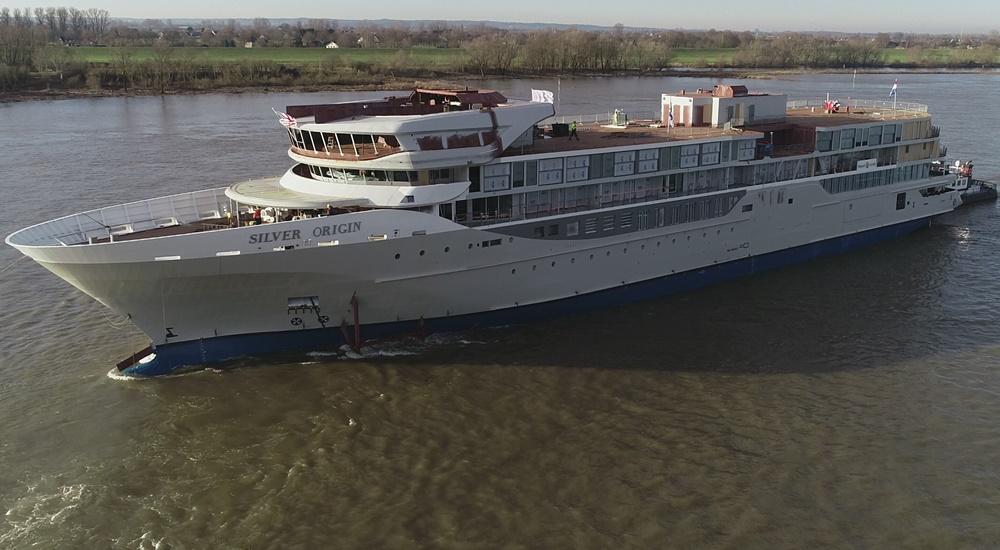
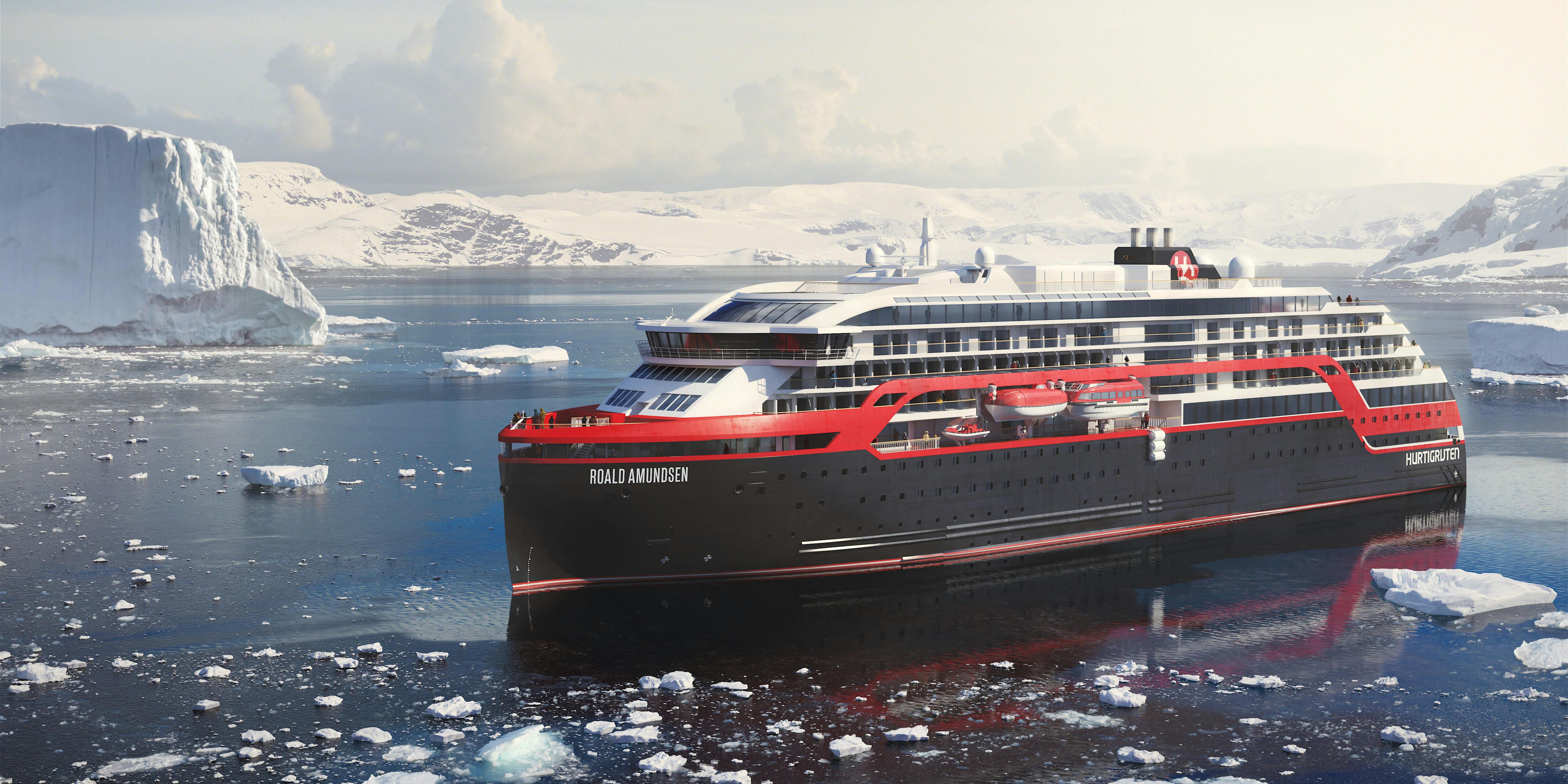
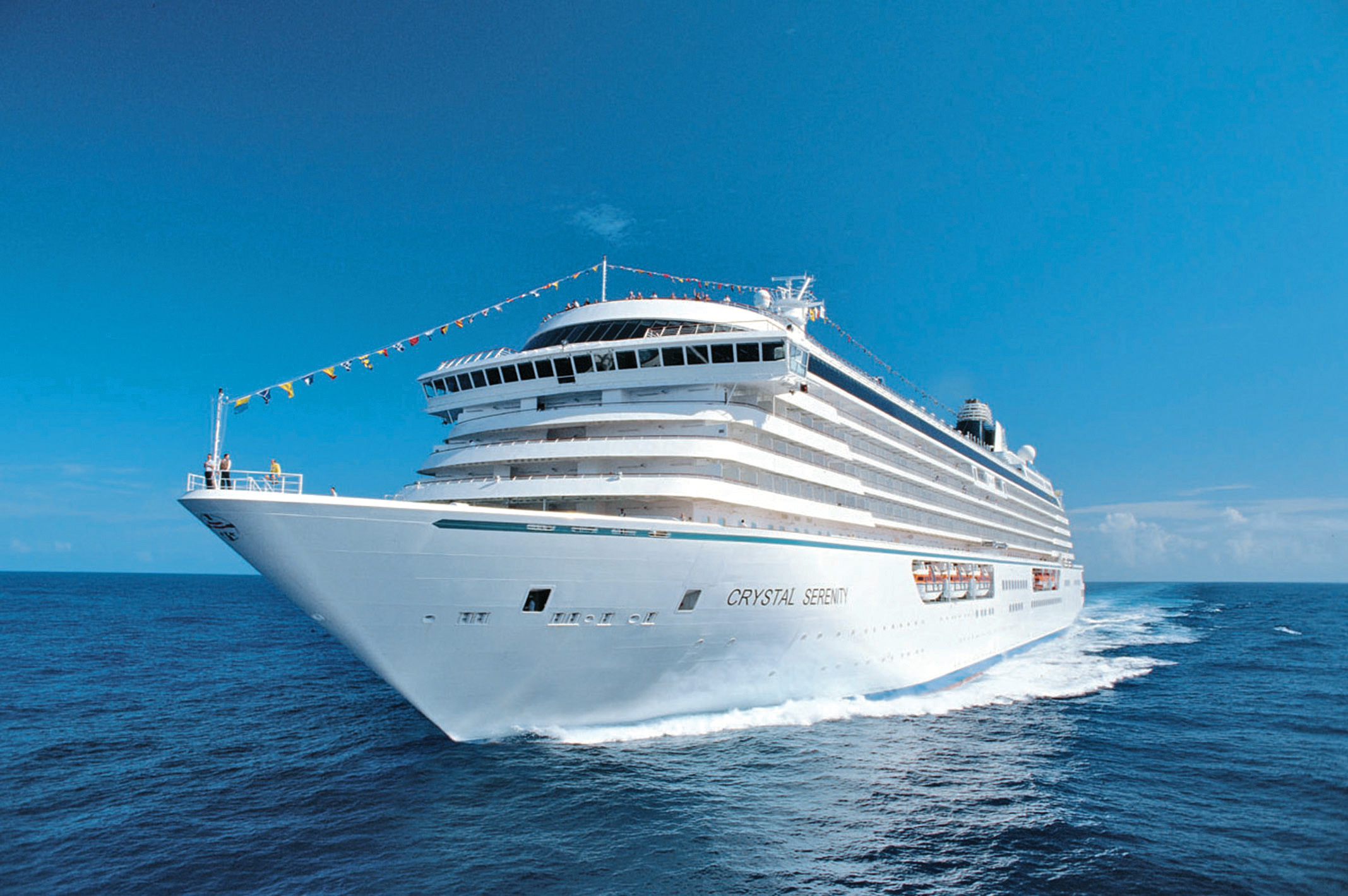
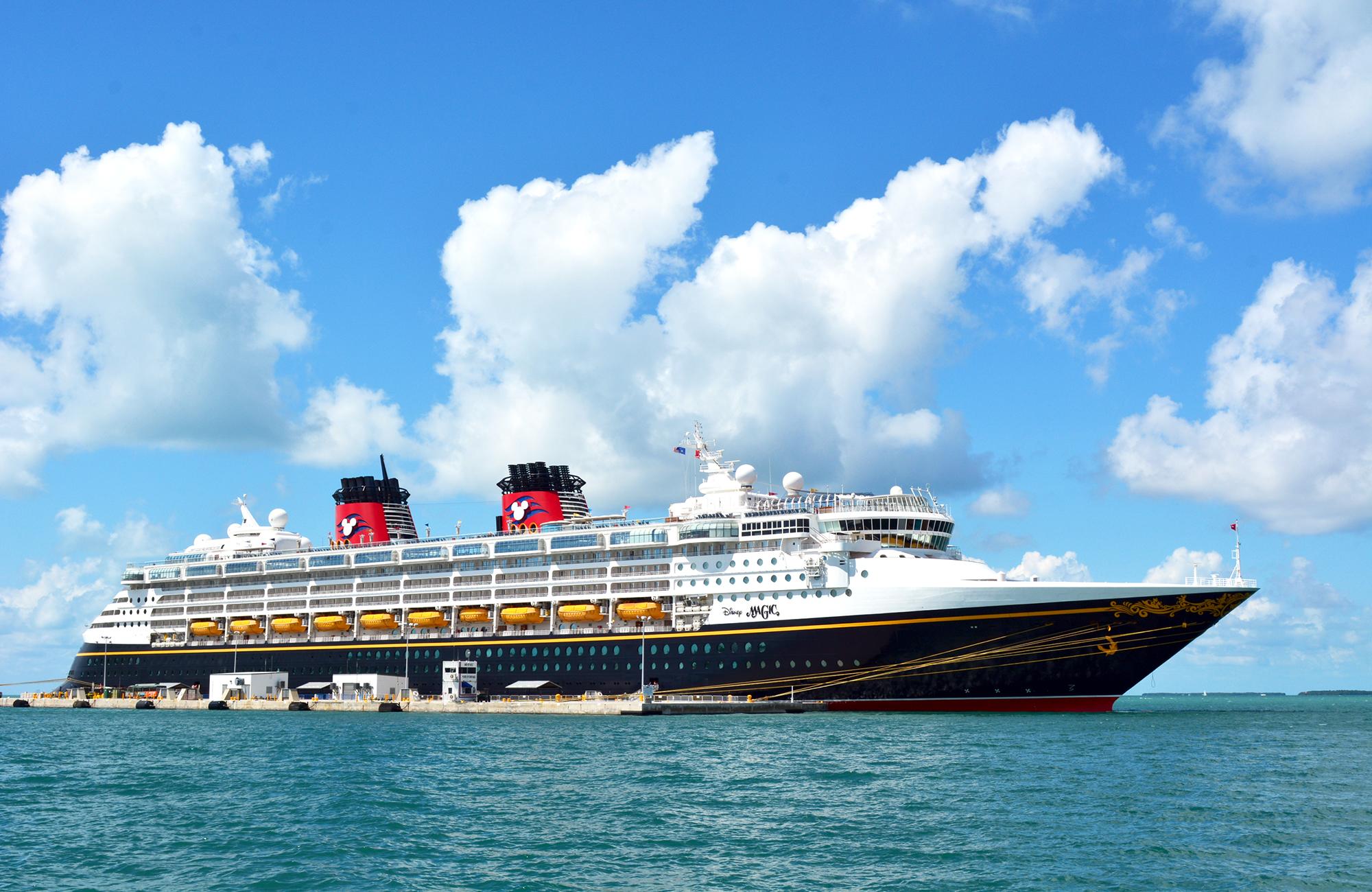
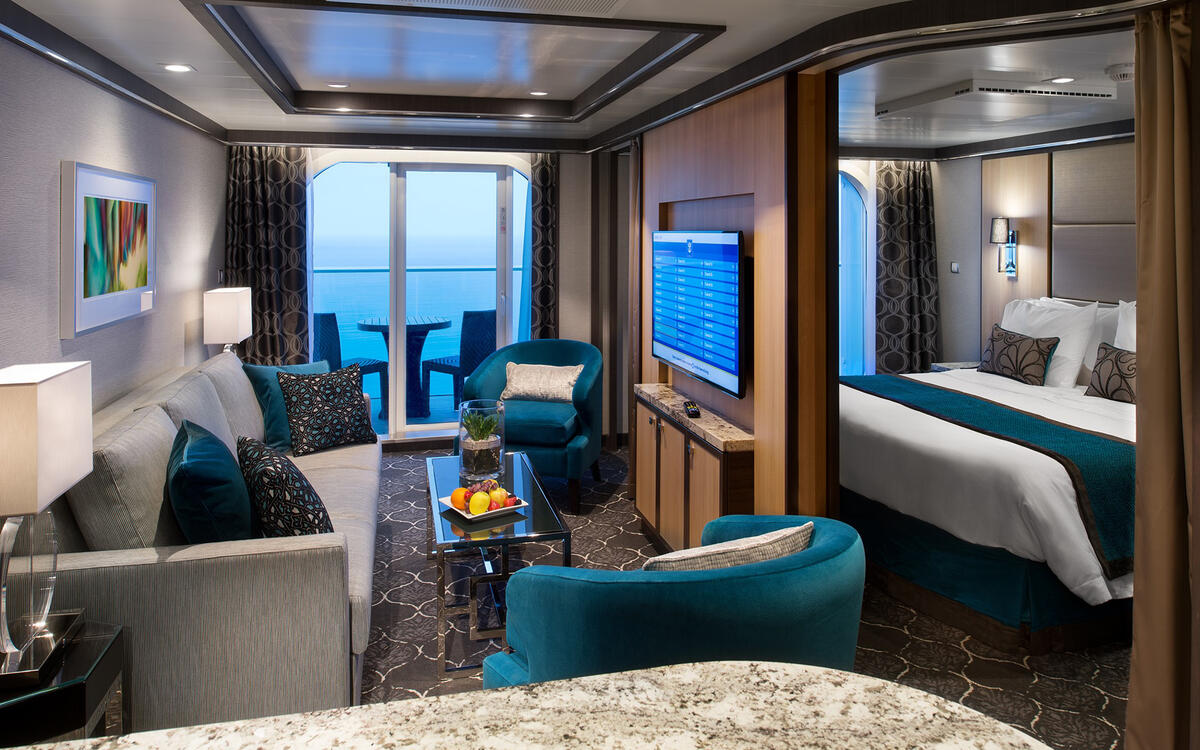
The History of the World’s First Cruise Ship Built Solely for Luxurious Travel
The $5 billion line of credit from GM Financial, which Cruise secured this summer, will be used to pay for the production of the Origin without having to give away more equity to investors. Separately, GM has invested a total of $6 billion in Cruise, including the initial acquisition cost, operating costs for 2015 to 2016, and further investments, according to the company. Cruise has stated its goal of reaching $1 billion in revenue by 2025, a target that Vogt said the company is on track to hit and one that might even help Cruise finally break even. That is, if Cruise can start mass-producing its cheaper Origin vehicles, scale to new markets, and operate more vehicles at more hours of the day. The executive and Cruise founder said the Origin costs GM less to build than its Chevy Bolts because all of the sensors, compute systems and software are simplified to lower the upfront cost of the vehicle.
As we move into the future GM will keep innovating as the company is committed to introducing and deploying a personal-owned autonomous vehicle by the end of the decade. Cruise ridehail services are not available at this time, but you can join the waitlist to be one of the first. The future looks bright for driverless ridehail and delivery.

So well, in fact, that they would be able to drive across the entire country without incident, even if the country’s highways were the toughest San Francisco streets. "Production is expected to begin in late 2022 in Detroit at a GM factory with vehicles delivered in 2023, Cruise said Friday," according to Reuters. Powering the Origin is a GM-sourced electric motor with the battery pack slung beneath the passenger compartment. We don't have power figures and we don't know range, but these metrics aren't really the point of a low-speed urban shuttle. You probably didn't think about the fuel economy and horsepower of the last Uber or taxi you hailed, and Cruise is smartly reckoning that you probably won't care about the range of the Origin if it can get you where you're going. "This is a service you share, not a product you buy," as Cruise CEO Dan Ammann said multiple times during the evening.
Cruise's path to autonomous driving creates opportunities for increased mobility and independence. "The Origin unveil reminded us that there is much more to achieving AV commercialization than simply taking the driver out, and central to that is achieving automotive grade / proper vehicle integration," he wrote in a note to investors Thursday. The vehicle's modular architecture also will allow for the interior of the vehicle to be easily changed and new technologies such as sensors and radars to be added, company officials said.
All told, the average San Franciscan household driving themselves or using ridesharing, will, on average, see up to $5,000 back in their pocket every year. At the same time, we’ll have fewer cars clogging our roads, fewer cars piled up in our parking lots, and fewer cars going to the scrap heap. Critics say the cars get easily confused by common situations on city streets. Some activists have taken to placing orange cones on the hoods of Cruise’s vehicles in order to disable them as a form of protest. But Vogt said that too much pushback risks stalling important technological advancements that could save lives. Alphabet's Waymo division began providing its self-driving ride-hailing service in San Francisco in August 2021.
Meaning "one who cruises for sex partners" is from 1903, in later use mostly of homosexuals; as a boxing weight class, from 1920; meaning "police patrol car" is 1929, American English. In telegraphy, electricity, etc., in reference to accidental contact of two wires on different circuits or different parts of a circuit that allows part of the current to flow from one to the other, from 1884. As "lie across; intersect;" also "place (two things) crosswise of each other; lay one thing across another." From early 15c. As "mark a cross on." Meaning "thwart, obstruct, hinder, oppose" is from 1550s. Meaning "to draw or run a line athwart or across" is from 1703.
US law allows companies to seek temporary exemptions from safety rules to deploy up to 2,500 vehicles. GM previously sought an exemption for an earlier design based on the Chevy Bolt; the NHTSA took public comment on the request for an exemption in early 2019, and GM withdrew the petition in 2020. You've got your familiar lidars and radars and a new, owllike stereoscopic optical sensor suite that rapidly swivels back and forth, locking onto, recognizing and tracking multiple pedestrians, cyclists and other important details. The Origin features four of these swiveling all-seeing arrays -- one for each vehicle corner -- which can also see in pitch darkness, presumably on the IR spectrum. Cruise calls this blend of sensors Superhuman Sensing, playing up the advantages they offer over human drivers who can only really look in one direction at a time when they're not being distracted.
And in our view, you shouldn’t have to get lucky to feel comfortable — or safe. Cruise riders will know what to expect every single time they open our app. Think about what happens today when you open up a traditional rideshare app, it’s like rolling the dice. You might get a spacious, luxurious, clean ride, with a good driver. Or you might get a compact car that smells like Mountain Dew and Pine-Sol, driven by someone who’s been up since 4 a.m. And it’s our answer to the question about what transportation system you’d build, if you could start from scratch.